Tip#1: Strong Perfect Seams (For EVA Foam)
Getting a strong seam with contact cement on EVA Foam can be tough. If done wrong the glue dries at different speeds leading to inconsistent adhesive and popping seams. This is my personal preferred method for joining seams when using Coscom’s EVA 38 and EVA 70 high quality foam. Please be aware! Use proper PPE when working with any kind of contact adhesive or glue that creates strong fumes. Only work outside or in a well ventilated area and wear a full respirator with the correct filter, and I also highly suggest wearing gloves and safety glasses.
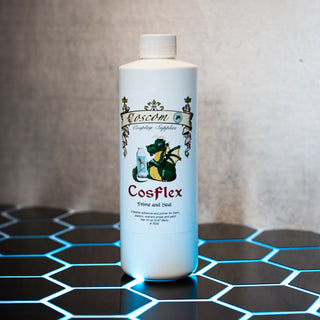
To start, make sure your contact adhesive is the correct consistency, your contact adhesive should be about the consistency of maple syrup. I personally use Barge® contact cement for my projects but I’ve been told Weldwood® is comparable. I recommend applying your glue before heat sealing. This will allow the glue to seep into the pores to create a strong anchor for adhesive. Brush one layer of glue onto the EVA foam on both sides of the seam you are trying to glue together. Take a scrap piece of EVA foam and wipe it over the first layer of glue. This will help make the application even and dry consistently. Allow this first coat to fully dry. When not heat sealed, EVA foam is porous and will soak up the first layer of glue like a sponge creating a strong base and sealing the foam for the second layer. (It will do the same for paint which is why I highly recommend flexible primers like Cosflex.) Apply a second layer on only one side of the seam, wipe over it with scrap EVA in the same way as before and allow to dry for about 30 seconds to a minute depending on your environment. Then work from one end of the seam to the other, firmly pressing the foam together and pinching it to get a tight strong bond. You should find that the glue grabs immediately and is difficult, if not impossible to remove. Continue working over the seam and applying pressure until fully dry. When done correctly a seam joined with contact adhesive can be stronger than the tensile strength of the foam itself, meaning that the foam will tear before your seam will pop.